24/7/365 ondersteuning Deel de details van uw project en ons team zal binnen ongeveer 20 minuten reageren met een duidelijke offerte en praktische suggesties.
Het zijn niet hun stuurwielen van koolstofvezel die er goedkoop uitzien, maar het verschil tussen het produceren van een mooi ogend aftermarket-stuurwiel en een stuurwiel dat voldoet aan de OEM-validatienormen, zit hem in honderden pagina's documentatie, diverse destructieve tests, traceerbaarheidssystemen, procesaudits en kwaliteitscontroles. Dit zijn allemaal zaken waar sommige fabrieken pas mee te maken krijgen wanneer een klant in de auto-industrie erom vraagt.
Klinkt dat overdreven?
Dat is niet het geval.
Ik heb stuurwielen van geweven koolstofvezel gezien die perfect waren, met subliem lederen stikwerk en stuurwielen die vrijwel identiek waren aan de stuurwielen die in Duitsland worden gemaakt bij de fabrieken die de stuurwielen bouwen voor de BMW G80 M3 en de Mercedes W206 AMG. Dergelijke faciliteiten zouden echter niet door een serieuze OEM-leveranciersbeoordeling komen vanwege een gebrek aan procesdocumentatie, traceerbaarheid van materialen en gestructureerde validatiegegevens.
Dit is het nadeel van de standaard voor stuurwielen van koolstofvezel.
Het uiterlijk van het product is belangrijk.
Naleving van regels is belangrijker.
Fout nr. 1: Denken dat ISO-certificering hetzelfde is als OEM-goedkeuring.
Veel fabrikanten denken dat ze automatisch toegang krijgen tot de toeleveringsketen van de auto-industrie zodra ze ISO 9001-gecertificeerd zijn.
Nee, dat is niet het geval.
De ISO 9001 is ontwikkeld om een algemeen kader voor kwaliteitsmanagement vast te stellen. Autofabrikanten hanteren doorgaans hogere normen, zoals IATF 16949, PPAP-documentatie, controleplannen, FMEA-analyses en continue monitoring van de productie.
De officiële International Automotive Task Force (IATF) blijft IATF 16949 inderdaad aanduiden als het toonaangevende kwaliteitsmanagementsysteem in de automobielindustrie.
En hier wordt het ongemakkelijk.
Het is mogelijk dat een fabriek slaagt voor een ISO 9001-audit, maar zakt voor een OEM-audit.
Zoals ik het zag gebeuren.
Herhaaldelijk.
Wat OEM's daadwerkelijk evalueren
Het stuurwiel zelf is slechts een deel van het geheel.
OEM-engineeringteams evalueren doorgaans:
Structurele integriteit
Materiële consistentie
Impactprestaties
UV-bestendigheid
Duurzaamheid bij thermische cycli
Leer hechting
Bindingssterkte van koolstofvezels
Chemische bestendigheid
Compatibiliteit met airbagintegratie
Herhaalbaarheid van de productie
Eén enkele mislukte test kan een volledig leverancierskwalificatieprogramma stilleggen.
Eén mislukking.
Maanden verloren.
Duizenden dollars verloren!
De belangrijkste normen
Tijdens de evaluatie van de leveranciers worden de volgende kaders herhaaldelijk genoemd als het gaat om ISO-normen voor stuurwielen van koolstofvezel.
Standaard
Doel
Relevantie voor OEM's
ISO 9001
Kwaliteitsmanagementsysteem
Instapvereisten
IATF 16949
Kwaliteitsmanagement in de automobielindustrie
Vaak vereist
ISO 14001
Milieubeheer
Steeds vaker aangevraagd
ISO 45001
Arbeidsveiligheid
Algemene leveranciersvereiste
PPAP
Goedkeuringsproces voor productieonderdelen
OEM-validatie
APQP
Geavanceerde productkwaliteitsplanning
Productontwikkeling
FMEA
Risicobeoordeling
Vereist door veel OEM's
SPC
Statistische procescontrole
Productiebewaking
De meeste toeleveranciers in de aftermarket behalen uiteindelijk een ISO 9001-certificering.
De meeste OEM-programma's doen dat niet.
Omdat koolstofvezel extra uitdagingen met zich meebrengt op het gebied van regelgeving.
Koolstofvezel is GEEN staal.
Dat is een compleet andere situatie.
Stuurwielen van koolstofvezel hebben een composietstructuur die bestaat uit koolstofvezelweefsel, epoxyharssystemen, bindmiddelen, schuimsubstraten, lederen bekleding, magnesium frames, aluminium onderdelen en elektronische modules. Voor elk materiaal gelden specifieke validatie-eisen.
Overweeg epoxyhars.
De meest gebruikte systemen zijn gebaseerd op thermohardende polymeren die bestand moeten zijn tegen de hoge temperaturen van direct zonlicht in voertuigcabines gedurende langere perioden (80°C tot 100°C).
Wanneer een harssysteem verslechtert, veranderen cosmetische problemen in structurele problemen.
Structurele problemen leiden tot aansprakelijkheidsproblemen.
De National Highway Traffic Safety Administration (NHTSA) stelt dat fabrikanten nog steeds de verantwoordelijkheid dragen voor het opsporen en verhelpen van veiligheidsgerelateerde defecten die de werking van het voertuig of de veiligheid van de inzittenden kunnen beïnvloeden.
Die juridische aansprakelijkheid verandert de manier waarop autofabrikanten leveranciers van stuurwielen beoordelen.
Testen van autostuurwielen: wat gebeurt er in de praktijk?
Dit verrast veel kopers.
De validatietests van OEM's zijn vaak veel strenger dan de rijomstandigheden in de praktijk.
De gebruikelijke kwaliteitsnormen voor autostuurwielen kunnen het volgende vereisen:
Treksterkte testen
Vermoeidheidscyclustesten
Blootstelling aan thermische schokken
UV-verouderingssimulatie
Zoutnevelcorrosietest
Chemische bestendigheidstesten
Validatie van de airbagontplooiing
Trillingstesten
Testen van blootstelling aan vochtigheid
Een hoogwaardig stuurwiel kan tienduizenden gesimuleerde gebruikscycli ondergaan voordat het wordt goedgekeurd.
Niet omdat ingenieurs van papierwerk houden.
Omdat terugroepacties duur zijn.
Erg duur.
Reuters meldde in 2025 dat wereldwijde terugroepacties van voertuigen autofabrikanten jaarlijks miljarden kosten door garantieclaims, reparatiecampagnes, logistieke kosten en juridische schikkingen. De financiële gevolgen van een defect onderdeel kunnen al snel de winst van een volledige leveranciersrelatie overstijgen.
OEM's begrijpen dit.
Daarom zijn hun testeisen zo streng.
De documentatie waar niemand over praat
Dit is waar leveranciersprogramma's worden gewonnen of verloren.
Veel fabrikanten investeren veel geld in CNC-apparatuur, autoclaven, vacuüminfusiesystemen en koolstofvezelmatrijzen.
Vervolgens verwaarlozen ze de documentatie.
Een slechte zet.
De eisen waaraan OEM-stuurwielen moeten voldoen, omvatten vaak:
Certificaten van conformiteit voor materialen
Processtroomdiagrammen
PFMEA-rapporten
Controleplannen
Inspectieverslagen
Kalibratielogboeken van meetinstrumenten
Kwalificatiegegevens van leveranciers
Traceerbaarheidsdocumentatie
Correctieve actierapporten
Batchvolgsystemen
Deze documenten zijn essentieel om aan te tonen dat aan de regelgeving wordt voldaan.
En OEM-auditors weten precies waar ze moeten kijken.
Hoe voldoe je aan de OEM-specificaties voor stuurwielen?
Deze cursus behandelt de kennis en vaardigheden die nodig zijn om te voldoen aan de OEM-specificaties voor stuurwielen.
Vandaag de dag zou ik vijf prioriteiten benadrukken voor een fabrikant van stuurwielen, met name in OEM-programma's.
Stel een IATF 16949-kwaliteitssysteem in.
Ten tweede moet volledige traceerbaarheid van de materialen worden gewaarborgd, van de ruwe koolstofvezelstof tot het eindproduct.
Ten derde, laat een derde partij laboratoriumtest uitvoeren voor structurele en milieukundige validatie.
Ten vierde, stel gedetailleerde PPAP-documentatie op.
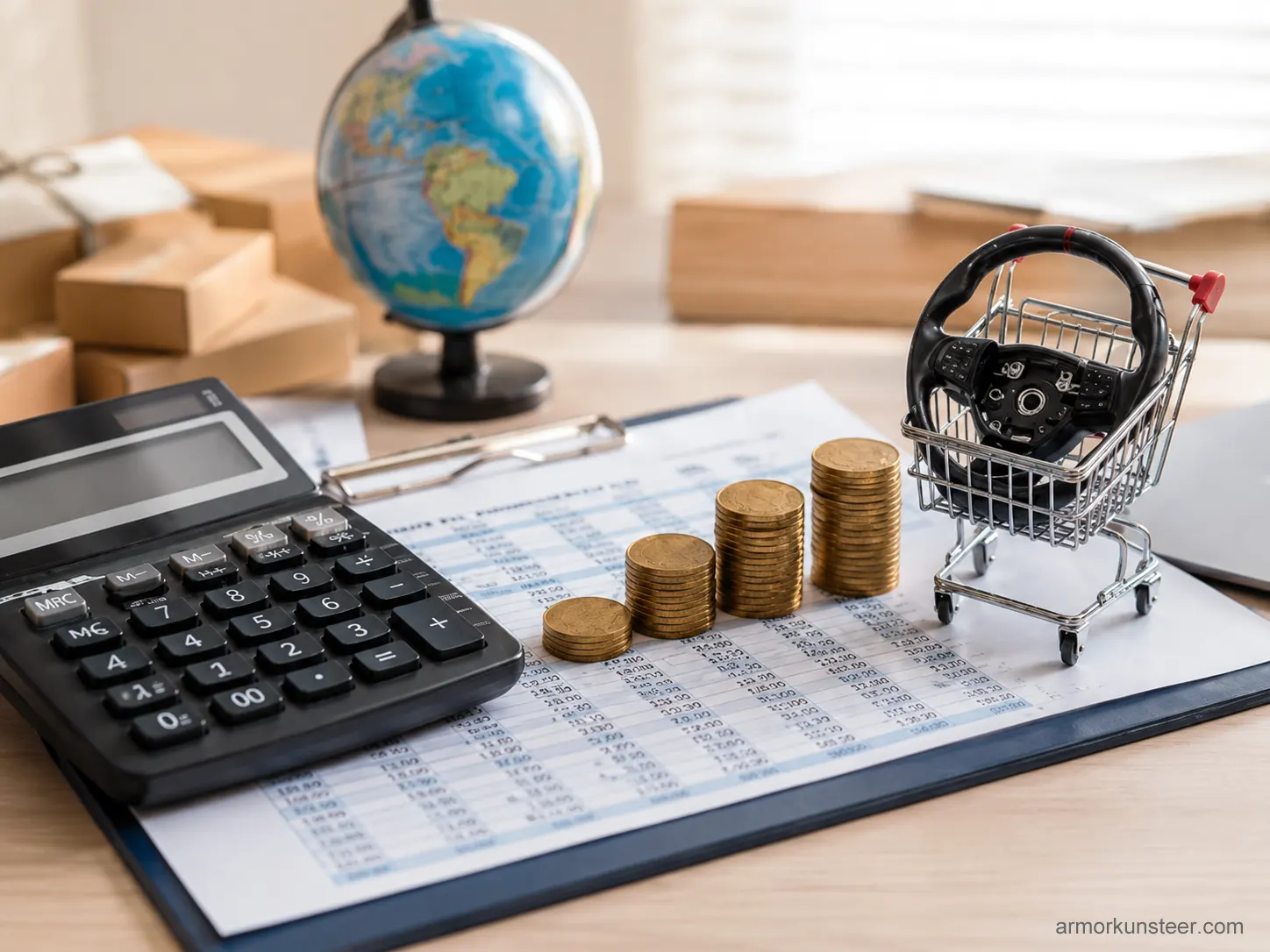
De economische gevolgen van de naleving.
Naleving van regelgeving is duur.
Dat is een feit:
Een leverancier die streeft naar OEM-certificering voor stuurwielen van koolstofvezel kan investeren in:
Nalevingsactiviteit
Geschatte kosten
ISO 9001-certificering
$3.000–$15.000
IATF 16949-certificering
$15.000–$80.000+
Testen door derden
$5.000–$50.000+
PPAP-ontwikkeling
$2.000–$20.000
Interne auditprogramma's
Lopend
Procesvalidatie
Variabele
Deze kosten worden door veel leveranciers vaak te laag opgegeven.
OEM's doen dat niet.
Dit maakt compliance tot een concurrentievoordeel.
Veelgestelde vragen
Wat is de ISO-waarde van het CF-stuurwiel?
Veel autofabrikanten (OEM's) vereisen mogelijk een branchespecifieke certificering (ISO 16949) vanwege de branchespecifieke controles, risicobeheer, traceerbaarheid en continue verbeteringsprocessen die bij een dergelijke certificering horen. De meeste fabrikanten van stuurwielen van koolstofvezel zijn ISO 9001-gecertificeerd en veel autofabrikanten eisen dat fabrikanten van stuurwielen van koolstofvezel ook ISO 16949-gecertificeerd zijn, vanwege de specifieke controles, risicobeheer, traceerbaarheid en continue verbeteringsprocessen die kenmerkend zijn voor de automobielproductieomgeving.
Als er serieuze OEM-leveringsmogelijkheden zijn, is ISO 9001 doorgaans niet voldoende.
Hoe zou je een stuurwiel van koolstofvezel besturen?
Kwaliteitsmanagementsystemen, de materialen die worden gebruikt voor stuurwielen van koolstofvezel, de testnormen die worden gehanteerd om te garanderen dat ze voldoen aan het beoogde gebruik, de productiecontroles, traceerbaarheid en veiligheidsvalidatieprotocollen maken allemaal deel uit van de normen voor stuurwielen van koolstofvezel. Door hun samenwerking zorgen ze ervoor dat een stuurwiel van koolstofvezel gedurende zijn hele levensduur altijd de vereiste kwaliteit, duurzaamheid en veiligheid biedt.
Deze normen gaan over meer dan alleen het uiterlijk.
Waar testen autofabrikanten hun stuurwielen?
OEM-stuurwieltests omvatten tests die specifiek gericht zijn op de structurele, omgevings-, duurzaamheids- en veiligheidsaspecten, waaronder thermische cycli, UV-straling, trillingstests, vermoeiingstests en validatie van de airbagontplooiing.
Testresultaten worden vaak pas na maanden, in plaats van na dagen, bekendgemaakt.
Is IATF 16949 van groot belang voor fabrikanten van stuurwielen? IATF 16949 is de kwaliteitsmanagementnorm die is vastgesteld door de automobielindustrie. Deze is gebaseerd op ISO 9001 en bevat enkele clausules die specifiek zijn voor de productieomgeving in de automobielindustrie, met betrekking tot defectpreventie, risicomanagement, traceerbaarheid, leveranciersontwikkeling, procesbeheer en continue verbetering.
Het is een algemeen bekend gegeven bij de meeste grote autofabrikanten.
Zijn aftermarket velgen net zo goed als originele velgen?
Hoewel het mogelijk is om de prestaties en normen van de originele fabrikant te evenaren met aftermarket stuurwielen, is het belangrijk te beseffen dat dit een aanzienlijke investering in engineering, testen, documentatie en procesmanagement vergt om de prestaties en normen van de originele fabrikant te bereiken en aan te tonen.
Niet veel verkopers zullen de hele reis maken.
Slotgedachten
De grootste misvatting in de stuurwielindustrie is dat naleving pas begint wanneer een auditor arriveert.
Het begint veel eerder.
Het proces begint wanneer de ruwe koolstofvezel in de fabriek aankomt. Het gaat verder met de productie en het testen. De koolstofvezel moet ook worden gedocumenteerd en traceerbaar worden gemaakt. Dit hele proces met de koolstofvezel is pas voltooid wanneer elke stap nauwkeurig is gecontroleerd door een team van ingenieurs van de oorspronkelijke fabrikant.
Als het uw doel is om premium automerken te bevoorraden, is het behalen van een audit niet het doel.
Het bouwen van een systeem dat het doorgeven van gegevens tot een routine maakt, is essentieel.
Leo Wu Manager Industriële Vormgeving Meer dan 10 jaar ervaring in het ontwerpen van autostuurwielen. Expertise: koolstofvezel, Nappa-leer, OEM-ontwikkeling, hoogwaardige stuurwielen
Met meer dan 10 jaar ervaring in de ontwikkeling van stuurwielen, hoogwaardige materialen en OEM-productie is Leo Wu een expert op het gebied van auto-interieurs. Hij werkt nauw samen met de productieteams van ArmorKun en legt de nadruk op prestaties en ontwerp en constructie van stuurwielen, leerbewerking en hoogwaardige functionaliteit voor luxe auto's en sportwagens.


 English
 German
 French
 Italian
 Dutch
Dutch Russian
 Polish
 Spanish
 Arabic
 Japanese
 Korean