Custom Heated Steering Wheels: Benefits, Features, and Buying Guide
Reviewed by ArmorKun Engineering Team
It's not just about adding winter comfort anymore when it comes to selecting a custom heated steering wheel. This guide covers the technology, manufacturing considerations and buying factors relevant to importers, wholesalers and aftermarket brands.
Winter changes everything. Years ago we’ve seen automotive buyers get wrapped up in horsepower, carbon fibre and LED displays, but we noticed that many of them remember something much more basic: how the steering wheel feels in their hands on a cold morning first thing in the morning. That little bit can make a customer much more satisfied than another ten horses.
But why are more manufacturers installing heated steering wheels into their mainstream ranges?
It’s not all about luxury, believe it or not.
Ten years ago only high-end cars such as BMW, Mercedes-Benz, Audi and Lexus had heated steering wheels. In today’s world, they’ve turned up on small SUVs, pickup trucks and even cheap electric vehicles, because, after all, consumers have changed their expectations. Elements that used to sway the minds of the flagship buyers are now making a difference in the aftermarket.
For distributors and automotive brands, this trend creates a simple question: should heated steering wheels become part of your product portfolio?
Our answer is yes—but only if you understand what separates a quality product from one that generates warranty claims.
What Is a Custom Heated Steering Wheel?
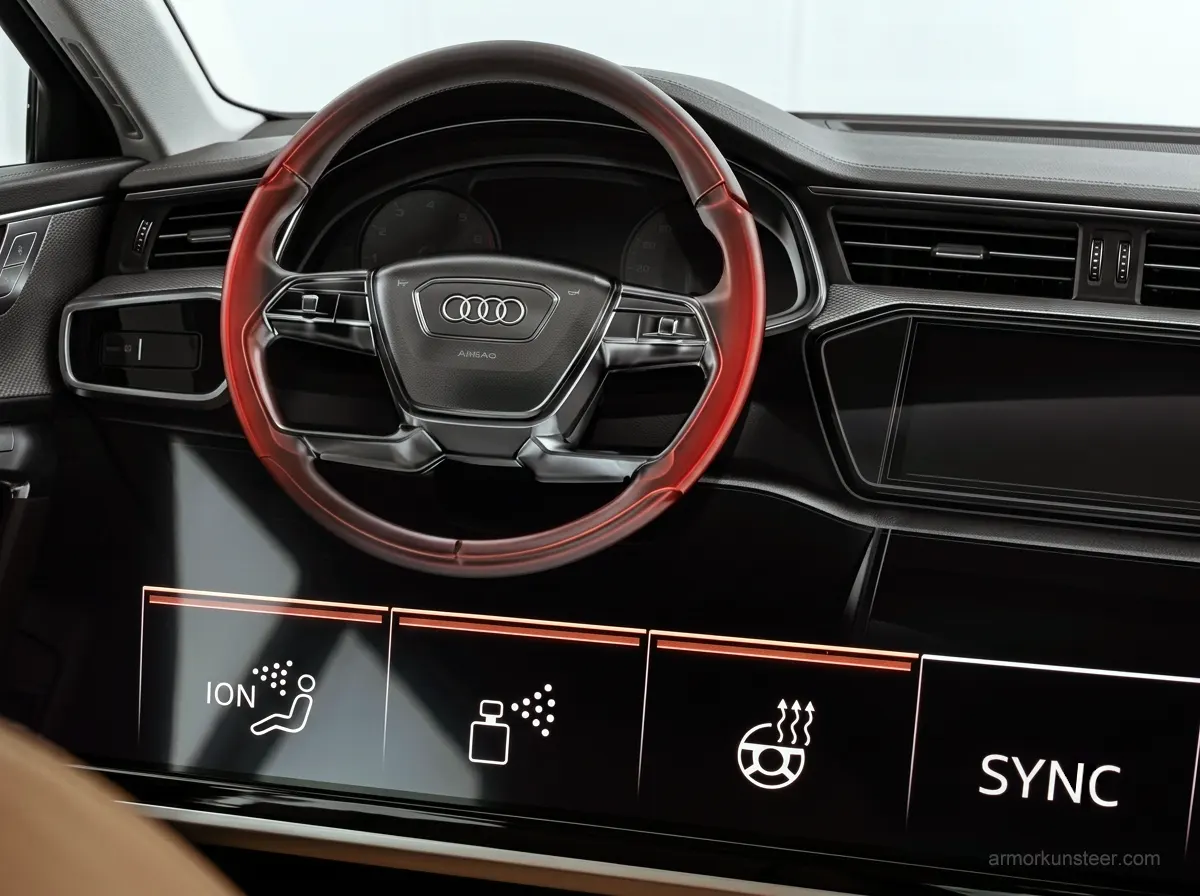
A custom heated steering wheel is a type of steering wheel that has electric heating elements under the leather or Alcantara surface. Once plugged into the vehicle’s electrical system, the heating circuit normally raises the temperature to within one to three minutes of operating temperature, while at the same time maintaining a controlled temperature of the surface to ensure safe and comfortable driving.
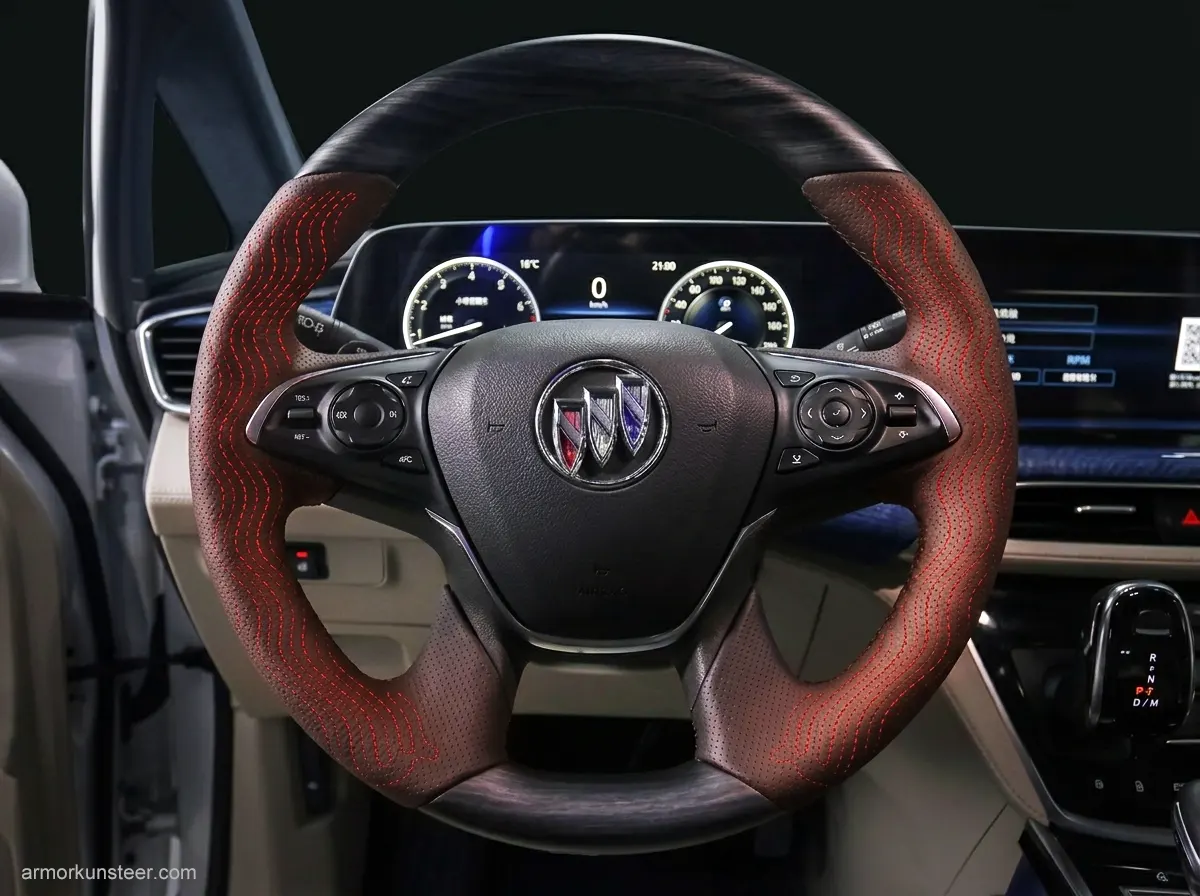
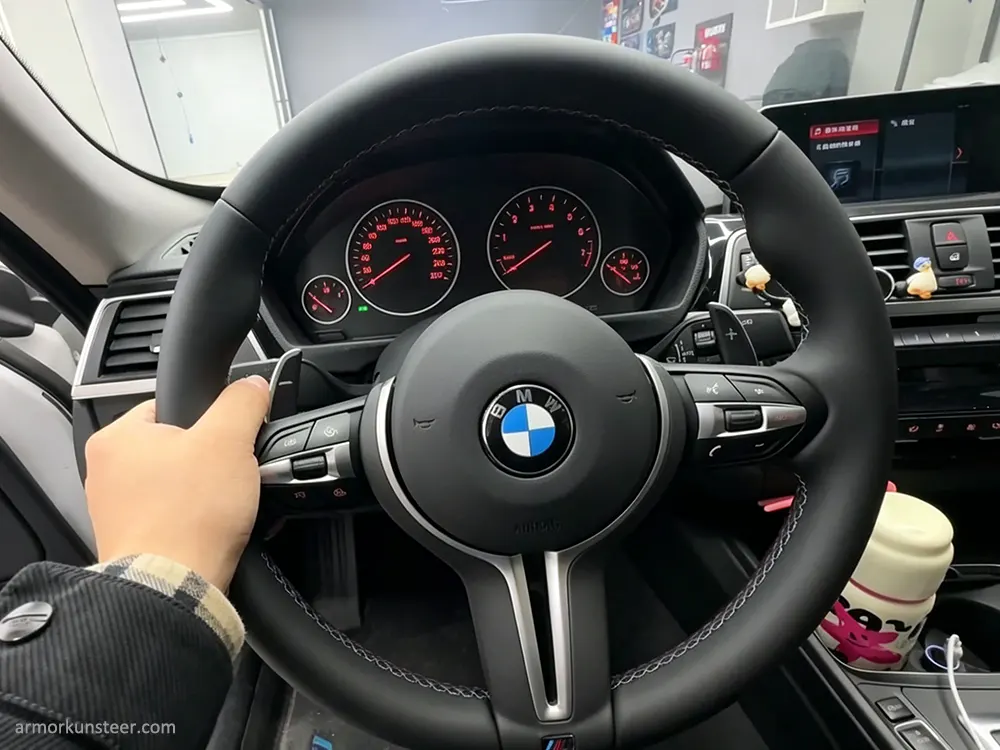
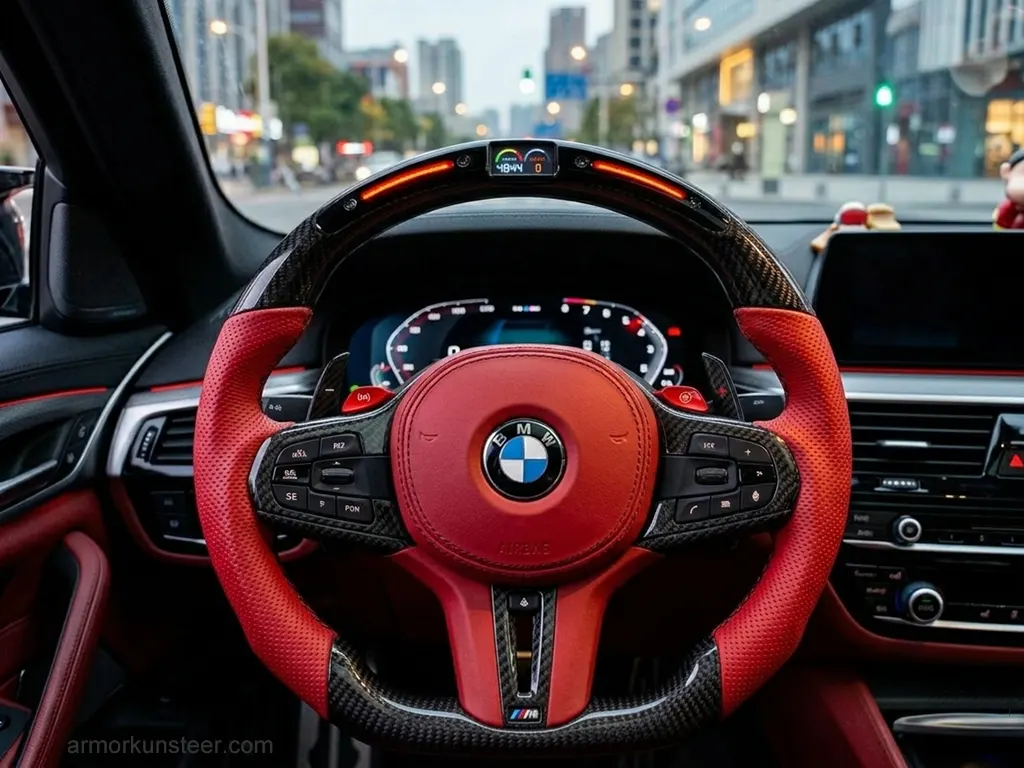
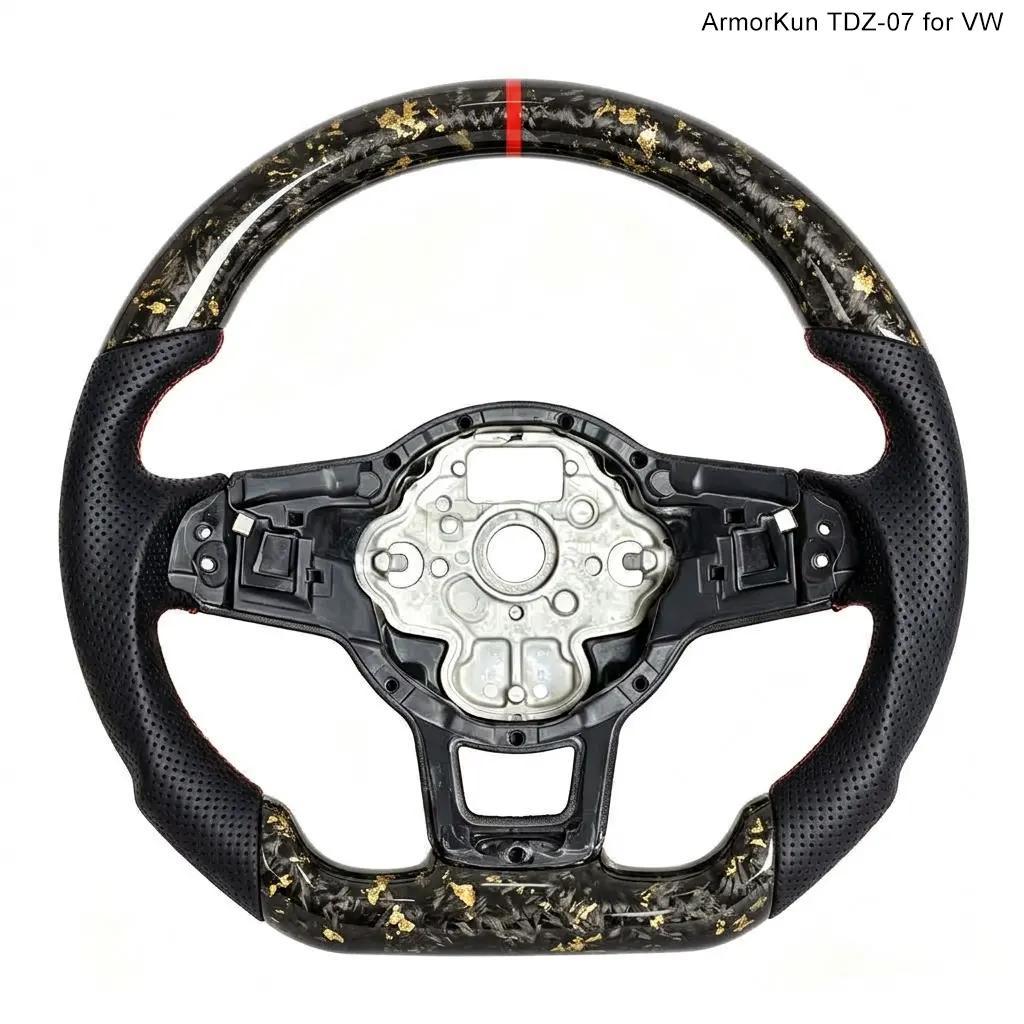
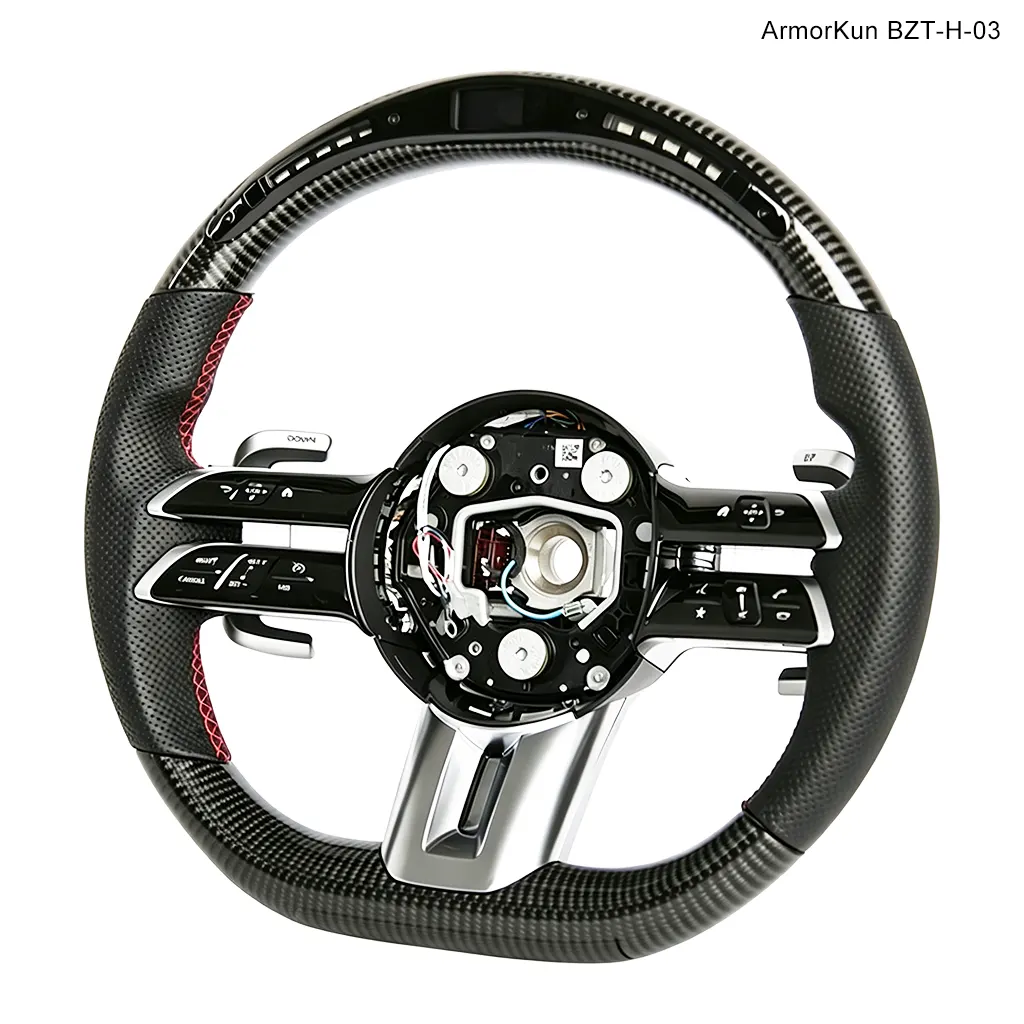
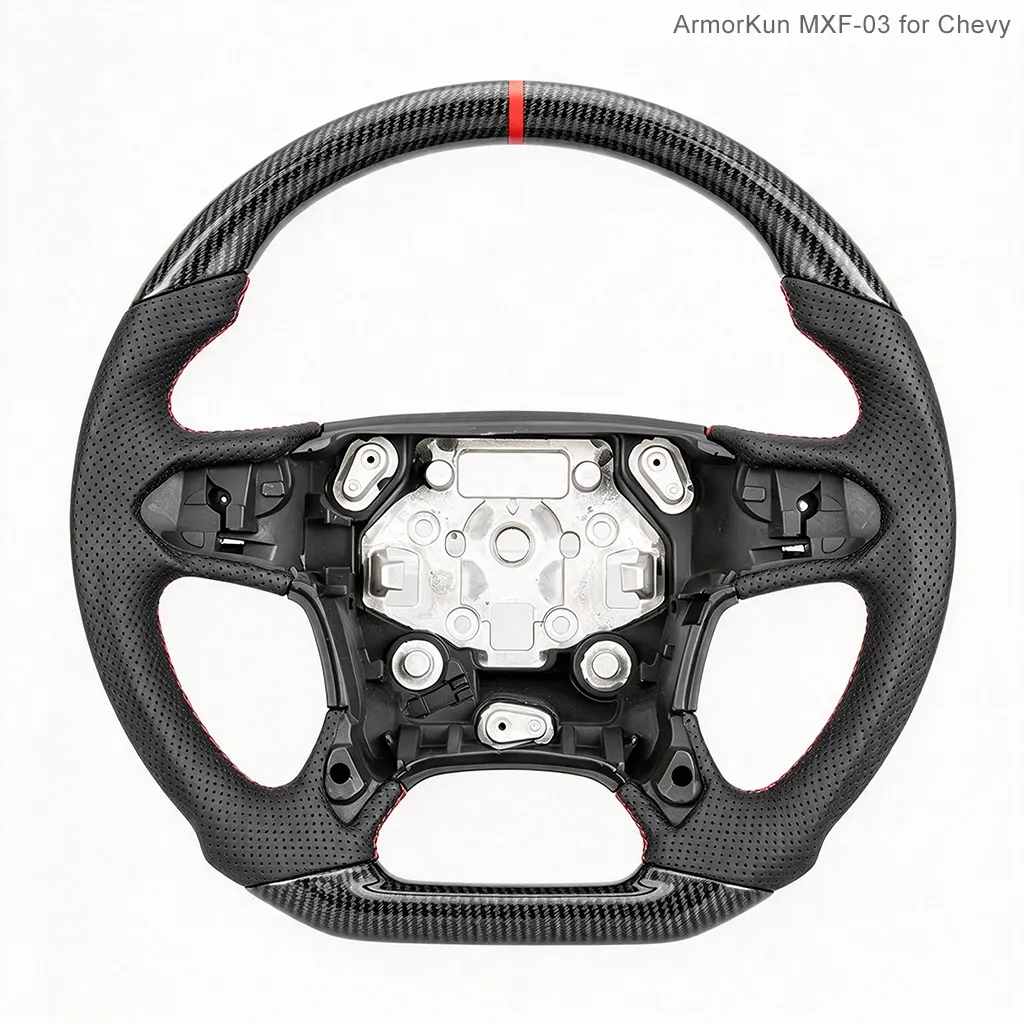
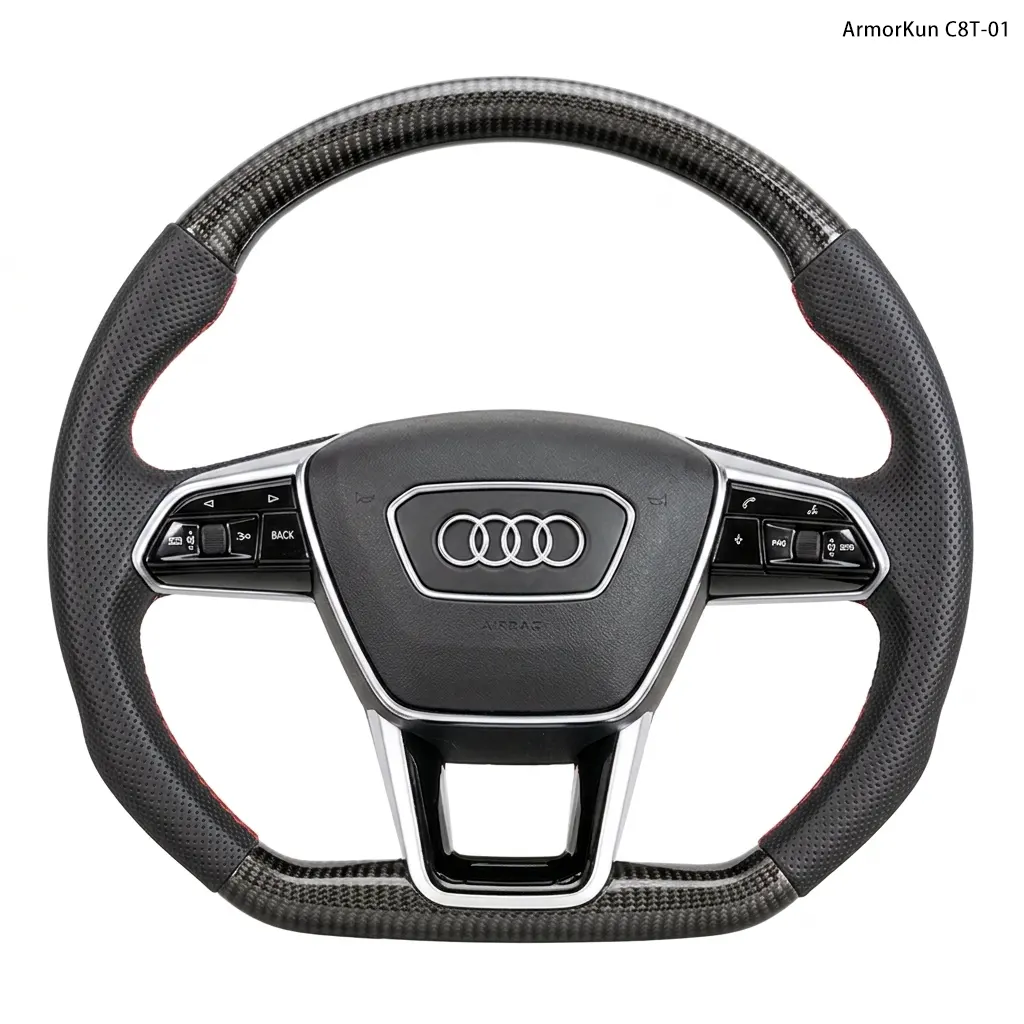
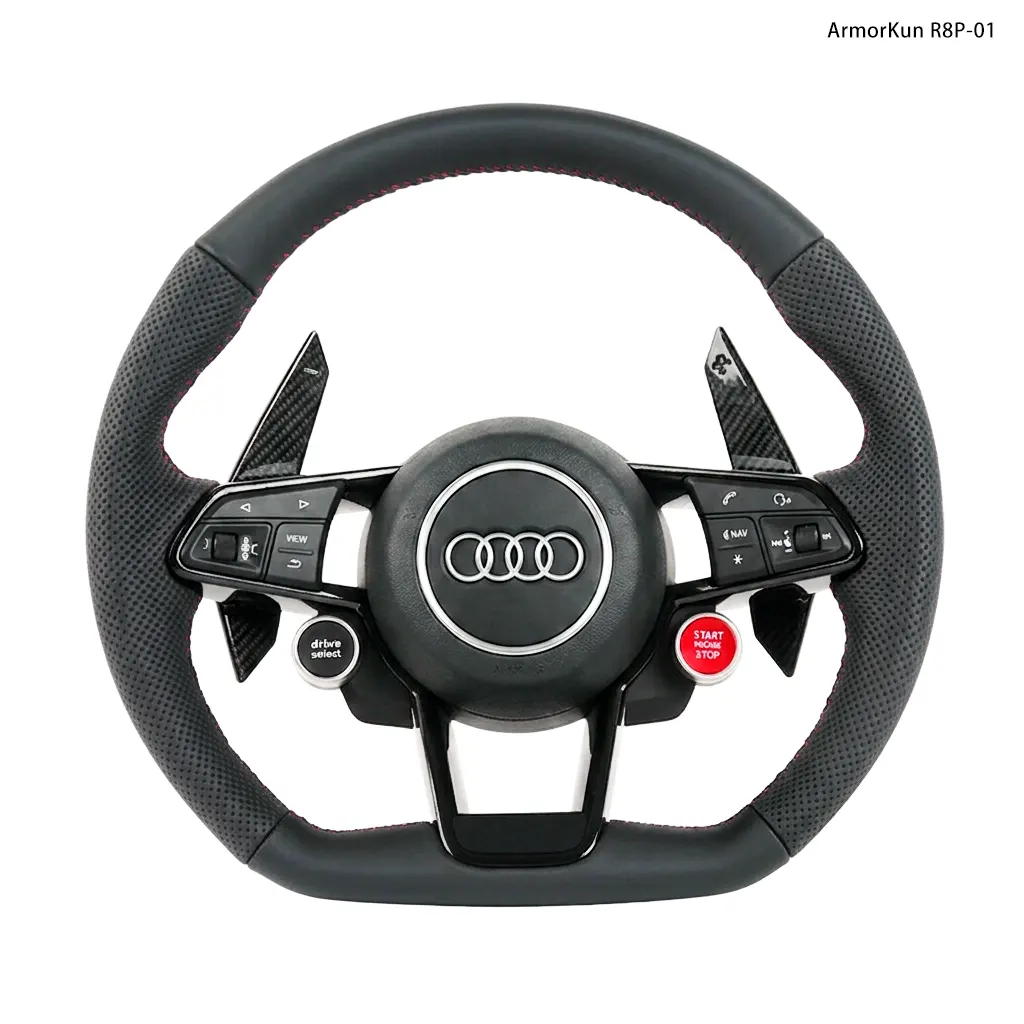
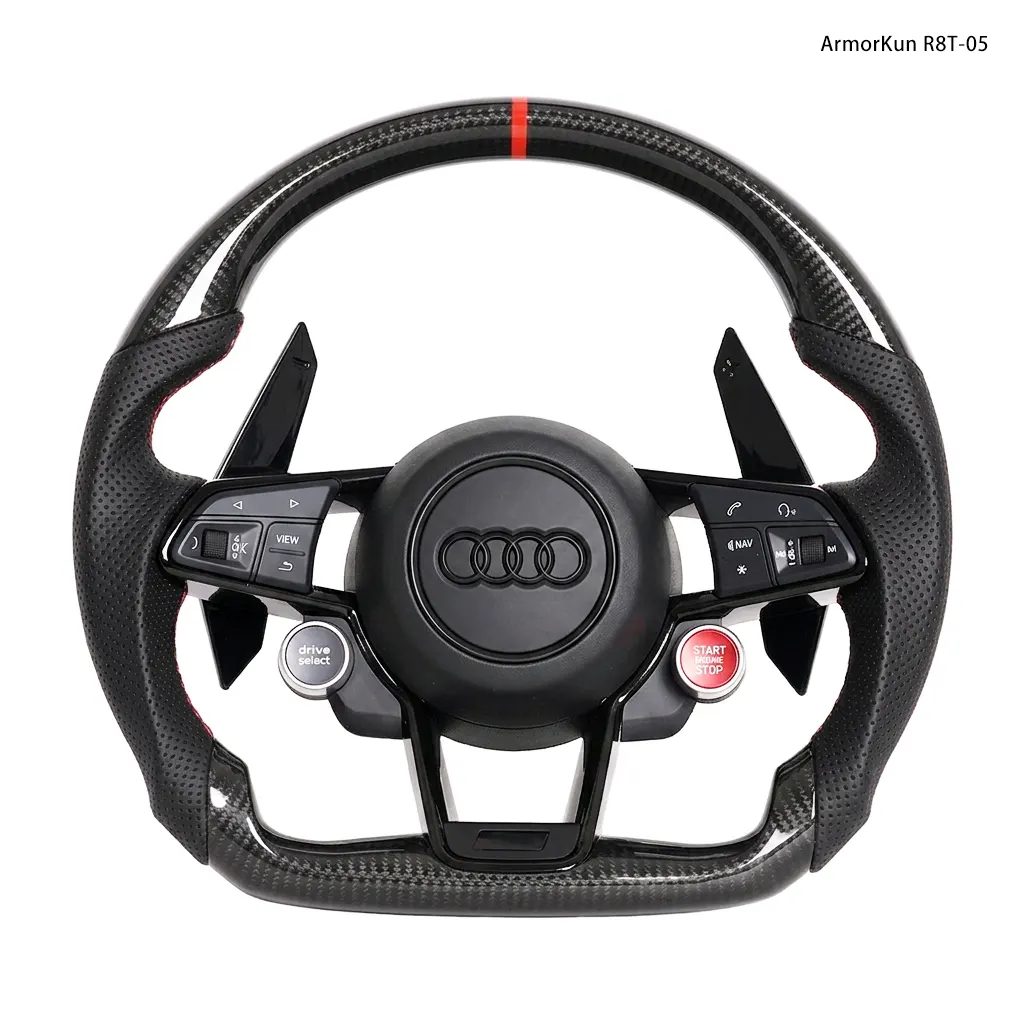
Unlike universal steering wheel covers, custom heated steering wheels are designed around specific vehicle platforms. This allows manufacturers to retain features such as:
Factory airbag compatibility
Multi-function control buttons
Paddle shifters
Heated grip zones
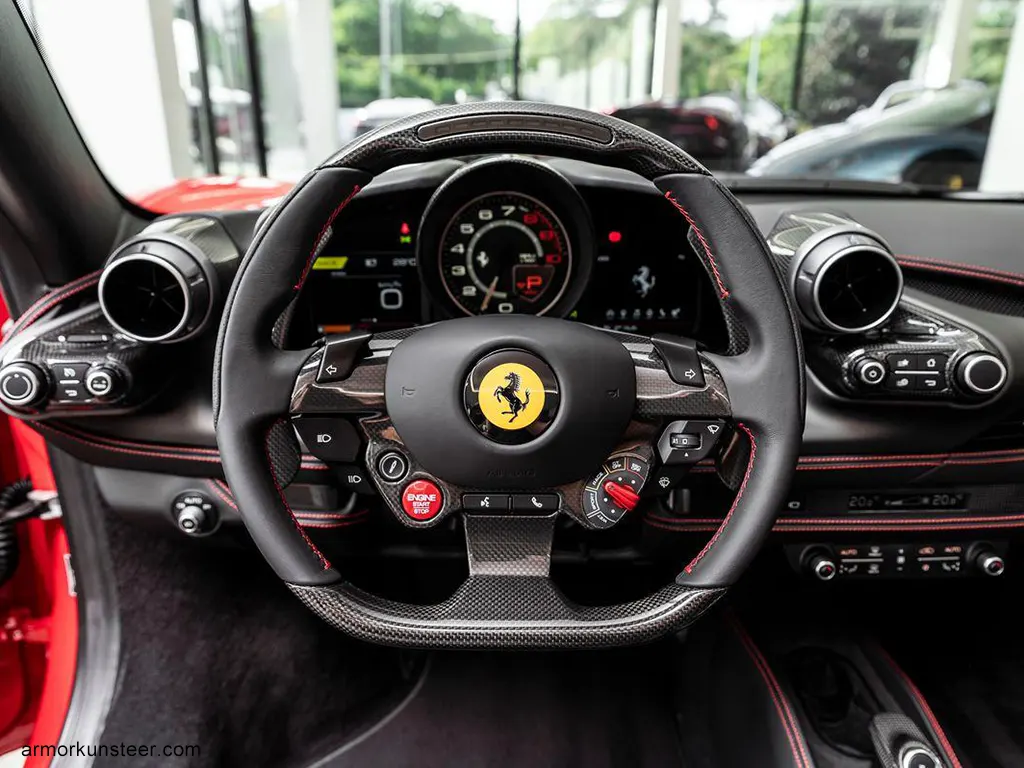
Carbon fiber or forged carbon trim
Nappa leather or Alcantara wrapping
Custom stitching and center markers
The result is a product that feels factory-installed rather than aftermarket.
Why Heated Steering Wheels Continue to Grow in Demand
We think many suppliers misunderstand the market.
They sell warmth.
Customers buy comfort.
Fleet operators buy consistency.
Dealers buy differentiation.
Heated steering wheels are becoming more common as the technology of vehicles is evolving. Much of the engine waste heat normally used to heat up the cabin components is no longer present for EVs, making localized heating systems more appealing because they require much less energy than to heat a whole cabin.
This trend is still apparent in recent vehicles, as manufacturers make heated steering wheels available in hybrid and electric vehicles, not just top tiers. (MySA)
The heated steering wheel provides benefits to the driver.
Benefit
Practical Value
Why Buyers Care
Faster hand comfort
Heats within 1–3 minutes
Better cold-weather driving experience
Improved grip
Warm hands reduce stiffness
Better steering control
Premium perception
Luxury feature
Higher resale and customer satisfaction
Energy efficiency
Less cabin heating required
Especially valuable for EVs
Product differentiation
Higher perceived value
Helps distributors stand out
Many aftermarket brands advertise heating performance, but temperature consistency is often more important than maximum temperature. A steering wheel reaching approximately 30–38°C generally provides comfort without becoming uncomfortable during extended driving.
Features That Separate Premium Heated Steering Wheels
Not all heated steering wheels are engineered the same way.
We have seen products where the heating wire is unevenly distributed, creating obvious hot and cold spots. Others sacrifice leather quality to reduce production costs. Those shortcuts usually appear months later as customer complaints—not during factory inspection.
Modern carbon-fiber or resistance-wire heating elements should provide even heat distribution around the grip sections without noticeable temperature variation.
OEM Heated Steering Wheel vs Aftermarket Heated Steering Wheel
Factor
OEM
High-Quality Aftermarket
Customization
Very limited
Extensive
Carbon Fiber Options
Rare
Wide selection
Leather Choices
Factory only
Nappa, Alcantara, mixed materials
Lead Time
Vehicle production dependent
Usually 2–6 weeks
Branding
Vehicle manufacturer
Private label available
Cost
Higher replacement cost
More competitive for wholesale
A professionally manufactured aftermarket heated steering wheel can deliver OEM-level performance while allowing distributors to offer unique designs unavailable from dealerships.
Buying Guide for Importers and Automotive Brands
This matters.
While price is often the only factor considered for profitability, warranty expenses, product inconsistencies, and delivery delays can soon make up for savings made during procurement.
If you are looking for a heated steering wheel manufacturer, here are some questions you should ask yourself before you make a selection:
Is the heating system tested under continuous operation?
Are all steering wheels vehicle-specific?
Can OEM buttons and airbags be reused?
What heating temperature range is specified?
What certifications are available?
Is private labeling supported?
Are replacement components stocked?
What quality inspection process exists before shipment?
It’s also a good idea for professional buyers to get a thermal testing report and production inspection record before placing volume orders.
Safety Should Never Be an Afterthought
Comfort attracts customers.
Reliability keeps them.
The auto industry continues to demonstrate that steering failures soon will become major safety issues. In an earlier announcement, earlier this year, Tesla has recalled nearly 380,000 vehicles in the United States in mid-2025, in case power steering assist fails to perform properly and allows them to be easier to steer than they should, increasing the risk of a crash. (Reuters)
In the same way, steering-wheel manufacturers need to invest in testing, electrical reliability and parts traceability, as the U.S. National Highway Traffic Safety Administration (NHTSA) has been calling for several years for hundreds of vehicles that have been recalled for steering systems or electronics/electric parts. (NHTSA)
While a heated steering system is a reliable component, it’s not the one that causes problems if it is not properly wired, insulated or integrated with the electrical system, which can lead to unnecessary warranty issues.
That’s what’s why experienced manufacturers conduct electrical endurance tests before they send product out to customers.
Frequently Asked Questions
How does a heated steering wheel work?
A heated steering wheel is a steering wheel that has electrical heating elements embedded in the outer leather or synthetic covering that will heat the contact areas for the driver’s hands. Power is supplied via the steering column wiring while the system is controlled by a control module and is usually pre-programmed to reach a comfortable operating temperature in several minutes, and will not overheat due to built-in temperature regulation.
Is an aftermarket heated steering wheel as good as an original heated steering wheel?
When well designed for a specific vehicle, with quality heating elements, factory compatible with airbags, and tested for reliability and durability before shipping, a quality aftermarket heated steering wheel can perform just like an OEM.
What are my options for my heated steering wheel in my car?
The best custom heated steering wheel is the one that is compatible with the vehicle platform, compatible with the factory electronics, made of high-quality materials, evenly distributed in heating performance and is made by a manufacturer that has quality control, testing procedures and has experience making steering wheel for wholesale.
Should steersmen have heated steering wheels?
Yes. Heated steering wheels offer improved cold-weather comfort, add to the perceived value of vehicles, improve customer satisfaction and are becoming a more prevalent feature in high-end and even mid-range vehicles making them an appealing product for automotive aftermarket brands and distributors.
Looking to buy Custom Heated Steering Wheels?
From private label product lines to supplying automotive dealerships and expanding an aftermarket catalog, it is all about choosing the right manufacturing partner that can make the difference between repeat orders and warranty claims.
Collaborate with a manufacturer who can provide you with OEM compatible engineering, quality materials, a high quality control process and a variety of customization options to ensure that your customers will trust the heated steering wheel for years.
Leo Wu Industrial Design Manager 10+ Years in Automotive Steering Wheel Design Expertise: carbon fiber, Nappa leather, OEM development, performance steering wheels
Over 10 years of experience in steering wheel development, premium materials and OEM manufacturing, Leo Wu is an automotive interior expert. Strictly cooperates with ArmorKun production teams, applies performance and focuses on steering wheel design and construction, leather processing and high-level function integration, in luxury cars and sports vehicles.








 English
 German
 French
 Italian
 Dutch
Dutch Russian
 Polish
 Spanish
 Arabic
 Japanese
 Korean