The Future of Carbon Fiber Steering Wheels: OEM vs Aftermarket Performance Trends
Reviewed by ArmorKun Engineering Team
The modern automotive cockpit has transformed the steering wheel into a high-stakes battleground between structural safety and custom design. We analyze raw manufacturing data and real crash-test variables to find out if aftermarket modifications are truly worth the risk.
The market lies. The factory engineers are spending millions of dollars creating models of high impact structural damage to make sure that kinetic energy is absorbed properly during a front-end crash, while thousands of weekend tuners are actively replacing their certified safety gear with carbon-fiber shells made overseas in shadow factories that aren’t tested. Is the focus on cosmetic cockpit styling or real cockpit passenger crash survivability?
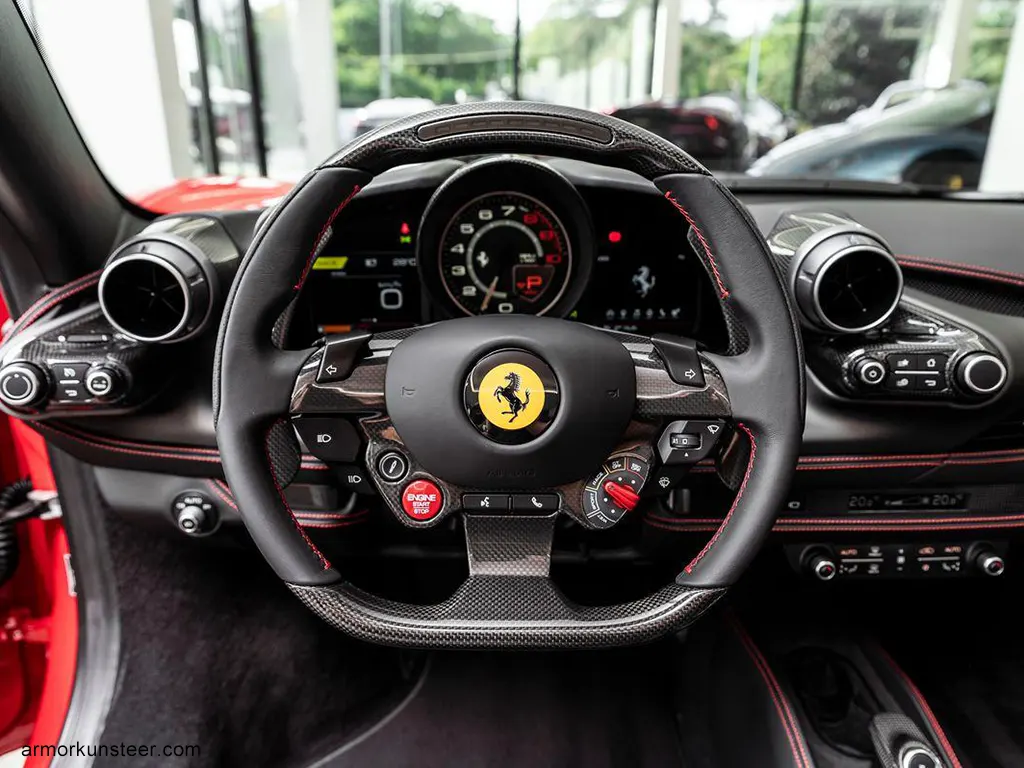
We have been working with the supply chain for a long time watching and talking about how the cockpit has changed over the years. The cockpit used to have leather wraps. Now it has composite cockpits. These days you can find carbon fiber steering wheels in lots of cars not the really expensive ones, like the Porsche 911 GT3 RS or the Ferrari SF90 Stradale. The automotive supply chain is still using carbon fiber steering wheels in cars and the automotive supply chain is making them more common. The automotive supply chain is. The cockpit is changing with the automotive supply chain.
The demand for aftermarket steering wheel upgrades has skyrocketed, regardless of mundane commuter builds or high-performance builds, these days. However, the message that lies beneath the glossy epoxy exterior is a troubling one for material science, unsafe practice, and deceptive performance claims.
The Engineering Realities Behind the Weave
True weight reduction inside a vehicle cockpit is a game of microscopic margins. According to historical research by the U.S. Department of Energy, reducing overall vehicle mass by 10 percent can yield a 6 percent to 8 percent increase in efficiency. This fundamental physics principle drives the structural design choices of major global automotive brands. As documented by the Fortune Business Insights Automotive Report, the global automotive carbon fiber composites market reached a massive valuation of USD 1.69 billion in 2025, proving that structural weight optimization is a permanent fixture of automotive industrial strategy.
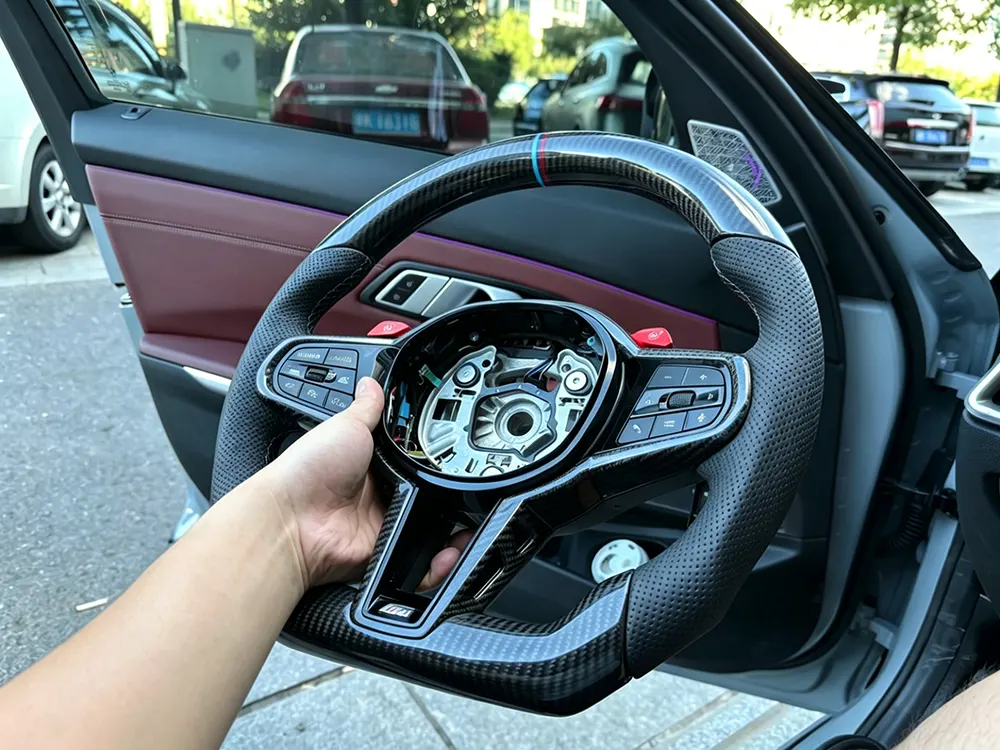
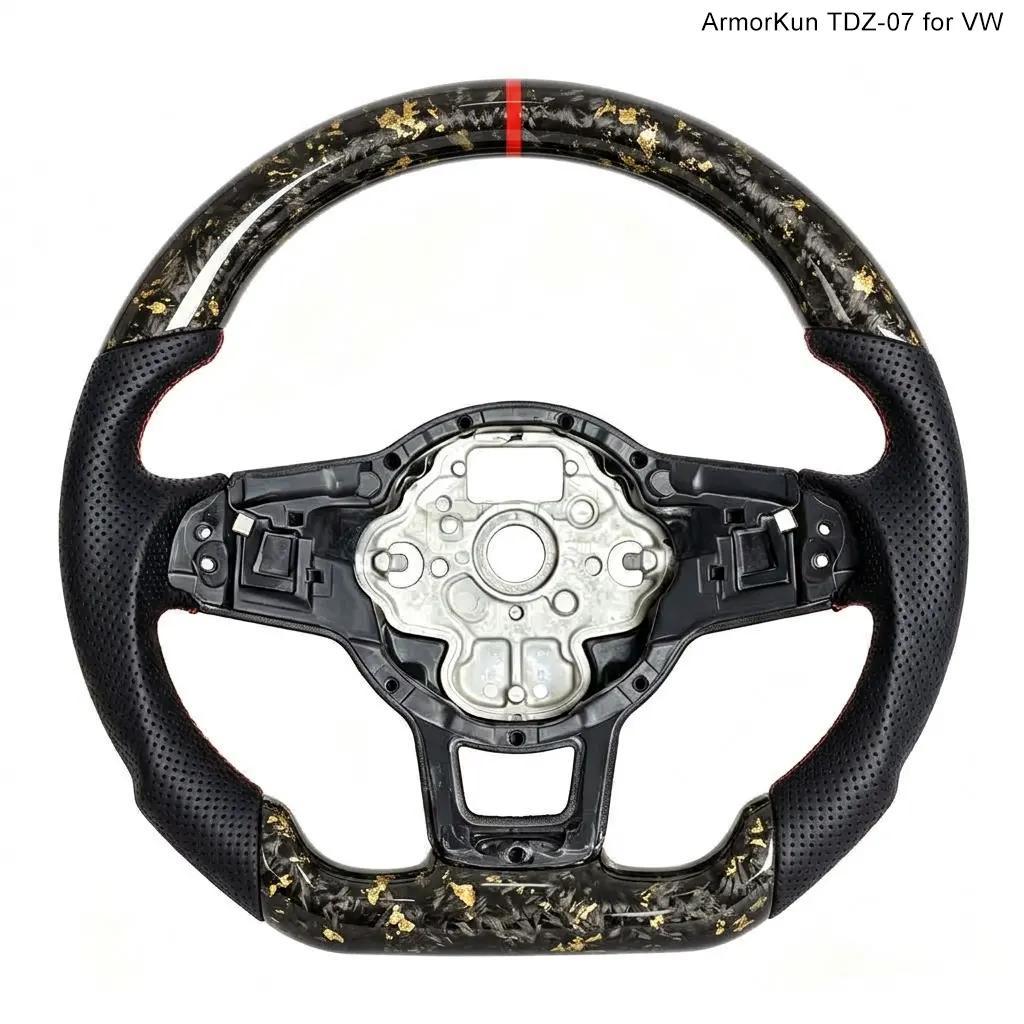
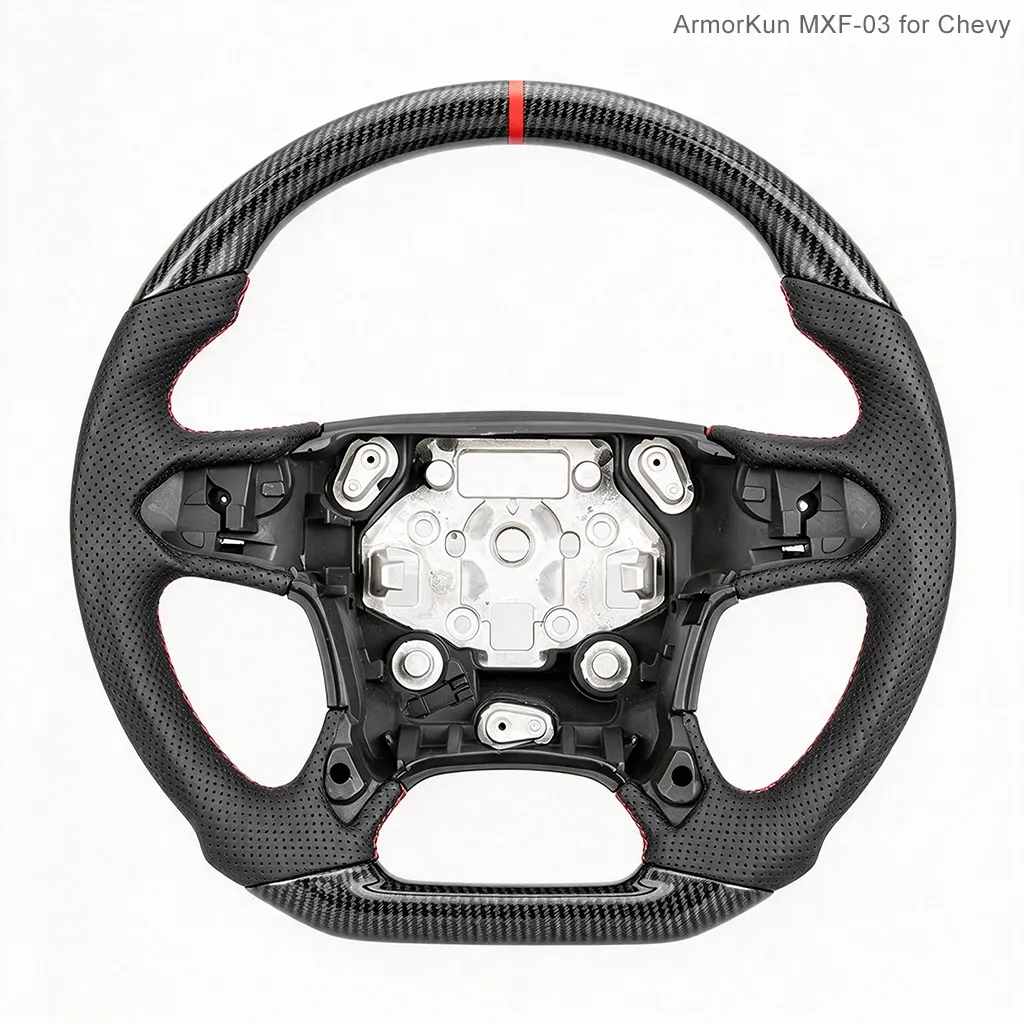
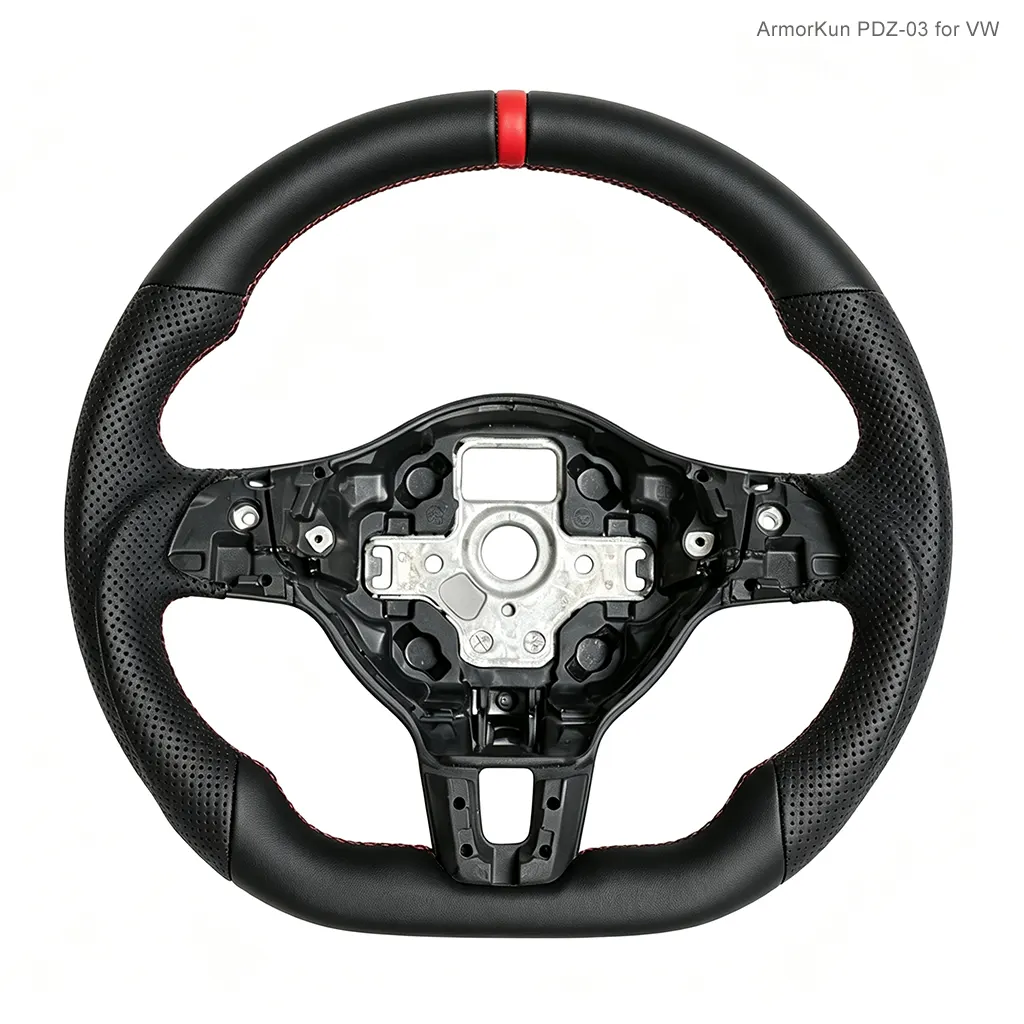
But when evaluating a real carbon fiber steering wheel vs factory units, the weight argument completely falls apart for aftermarket buyers. Factory steering wheels utilize lightweight, high-tensile magnesium or engineered aluminum matrix cores designed to yield smoothly under the force of a driver’s chest during an impact. When an aftermarket shop builds a custom carbon fiber steering wheel trends template, they typically source a used factory skeleton or a cheap cast replica core. They strip the OEM foam, shave the metal down, and apply layers of wet carbon fiber cloth using basic epoxy resins cured at atmospheric pressure.
And that is where the engineering failures emerge. To achieve that thick, aggressive ergonomic shape, aftermarket builders pile on heavy body filler, resin layers, and clear coats. The final product often weighs up to 25 percent more than the factory steering wheel it replaces. You are not buying a weight-optimized component built via automated Resin Transfer Molding (RTM) or autoclave curing; you are buying a cosmetic accessory wrapped around a compromised frame.
Structural Integrity, Airbags, and Thermal Failure
The single greatest point of failure in custom carbon fiber steering wheel trends involves the glass transition temperature ($T_g$) of the epoxy matrix. Inside a closed vehicle parked in direct sunlight, cabin temperatures can easily exceed 70°C (158°F). Lower-tier aftermarket manufacturers utilize basic marine-grade epoxies with a low $T_g$. Under intense thermal stress, these resins undergo a structural shift, turning soft or micro-fracturing under high-torque driving maneuvers.
So, what happens when your custom steering wheel flexes under heavy track usage? The answer is catastrophic fragmentation. Factory OEM carbon fiber setups mix continuous polyacrylonitrile (PAN) based carbon fibers with highly complex, UV-stabilized, high-$T_g$ thermoset polymers. These units undergo extensive environmental testing to survive decades of continuous solar loading without losing structural rigidity.
The structural modification also compromises the vehicle’s Supplemental Restraint System (SRS). This matches historical warnings by the National Highway Traffic Safety Administration regarding uncertified aftermarket steering wheel modifications, which can transform poorly bonded decorative additions into dangerous shrapnel upon airbag deployment. When an airbag inflates in less than 1/20th of a second with explosive force, any unverified modification to the wheel structure can alter the tear-seam deployment pathway, completely disabling the life-saving geometry of the safety system.
Architectural Breakdown: OEM vs Aftermarket
To see the differences in the materials used and how they are made we need to look past the clear coat on the outside. The following comparison shows the differences between parts made by the car company and parts made by other companies.
Performance Attribute
Factory OEM Carbon Fiber Wheels
Aftermarket Custom Upgrades
Core Structure Metallurgy
Certified OEM Magnesium or High-Strength Aluminum Matrix
Variable (Often modified salvaged cores or uncertified cast replicas)
Composite Curing Process
Autoclave Prepreg or High-Pressure Automated RTM
Hand-Laid Wet Carbon with Manual Vacuum Bagging
Resin Matrix Properties
High-$T_g$ (greater than 150°C) UV-Stabilized Polyurethane/Epoxy
Standard Bisphenol-A Epoxy Resin (Prone to UV yellowing and thermal softening)
Average Component Weight
Mass-optimized; lighter than or equal to base factory specification
15% to 25% heavier due to excessive structural filler and thick clear coats
Airbag and Safety Compliance
Full Federal Motor Vehicle Safety Standards (FMVSS) certification
Unregulated; carries zero structural crash-test verification
Average Retail Cost Range
$2,000 to $4,500 USD (As a factory option or catalog accessory)
$600 to $1,800 USD (Varies by custom LED options and material configurations)
Are Carbon Fiber Steering Wheels Worth It?
If you are looking at how car interiors work just in terms of performance the answer is no. For cars you drive every day and for cars you take to the track the feeling of carbon fiber or good Alcantara is great for gripping but a part from another company does not usually make the car work better. The extra weight actually makes the steering wheel harder to turn which means you do not feel what the car is doing much.
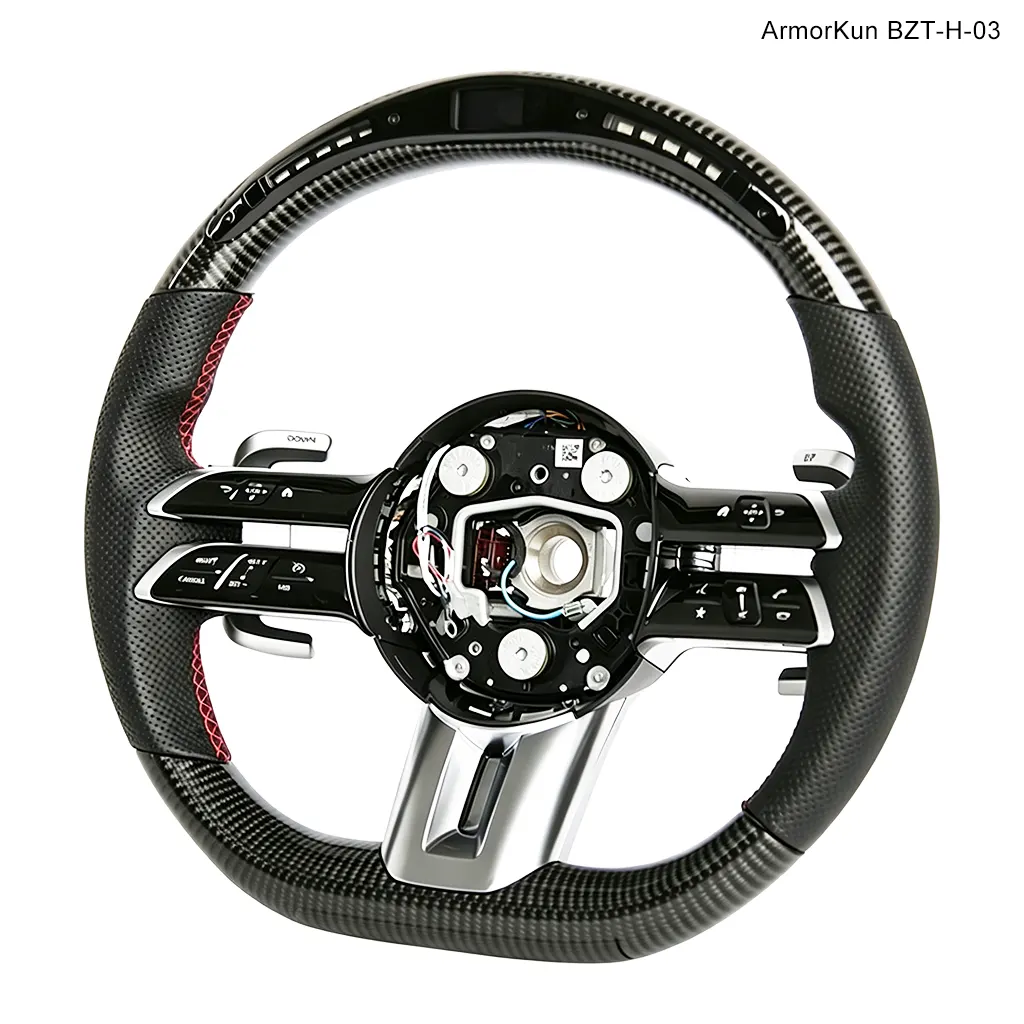
However if you want your car to look really special some custom options like lights that show when to shift gears screens that show how the car is doing and a steering wheel that fits your hands right make custom wheels very appealing. To be safe you need to make sure the person building it is honest with you. Do not buy from companies online that sell wheels for under $500. Make sure they used a part from the car company and good materials that can handle very hot or cold temperatures without falling apart.
Frequently Asked Questions
Do carbon fiber steering wheels give you benefits to be worth the cost?
If you want a steering wheel a custom wheel that fits your hands just right, for racing and a car that looks and feels special and can handle being driven very hard without breaking, carbon fiber steering wheels are a good investment. The high price of many of these wheels does not usually make the car work better especially if you just drive it every day.
What is the difference between a real carbon fiber steering wheel vs factory OEM units?
The fundamental difference between a real carbon fiber steering wheel built by aftermarket shops and a factory original equipment manufacturer unit centers on crash-tested structural engineering, wherein factory parts preserve strict airbag deployment dynamics while custom iterations often modify structural cores and resin compositions to prioritize aesthetic weaves over structural impact absorption. OEM units utilize specialized autoclave production to ensure absolute structural safety.
What are the current custom carbon fiber steering wheel trends dominating the luxury car segment?
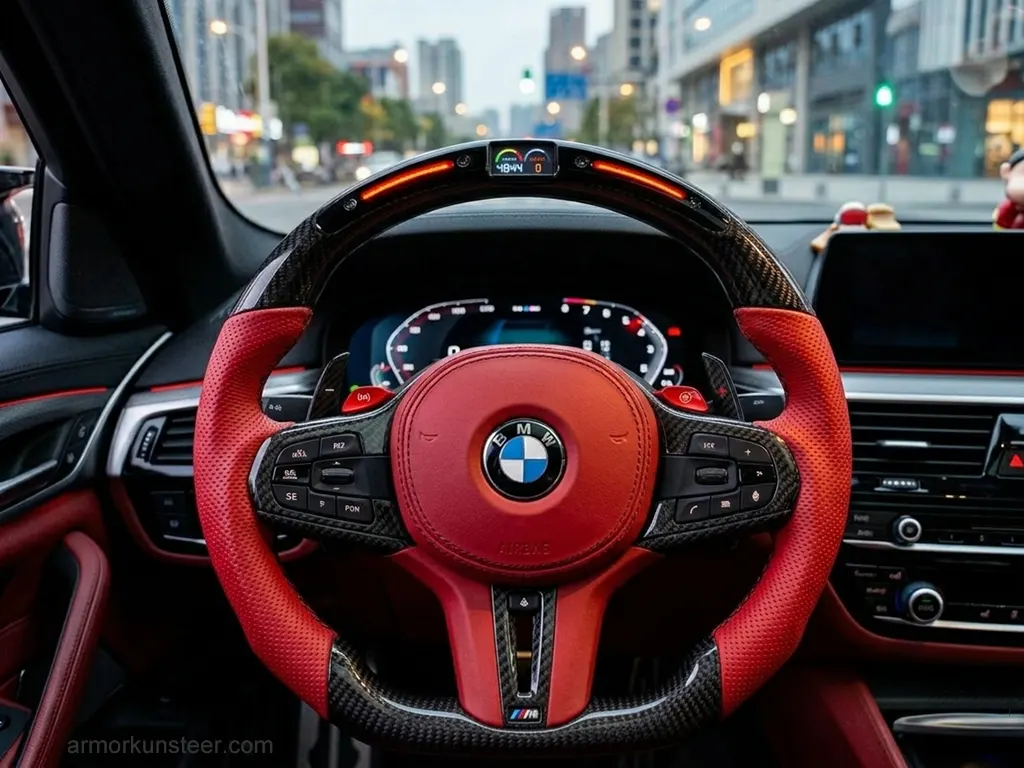
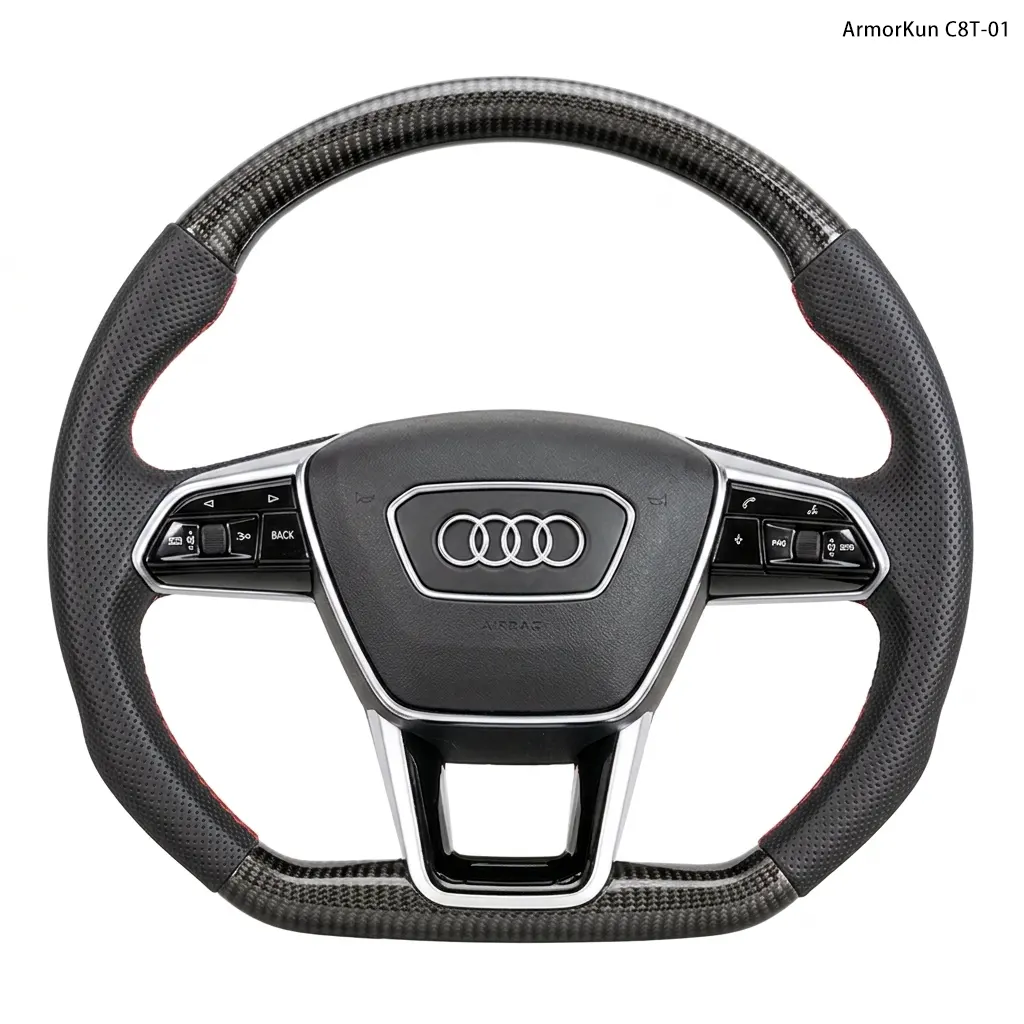
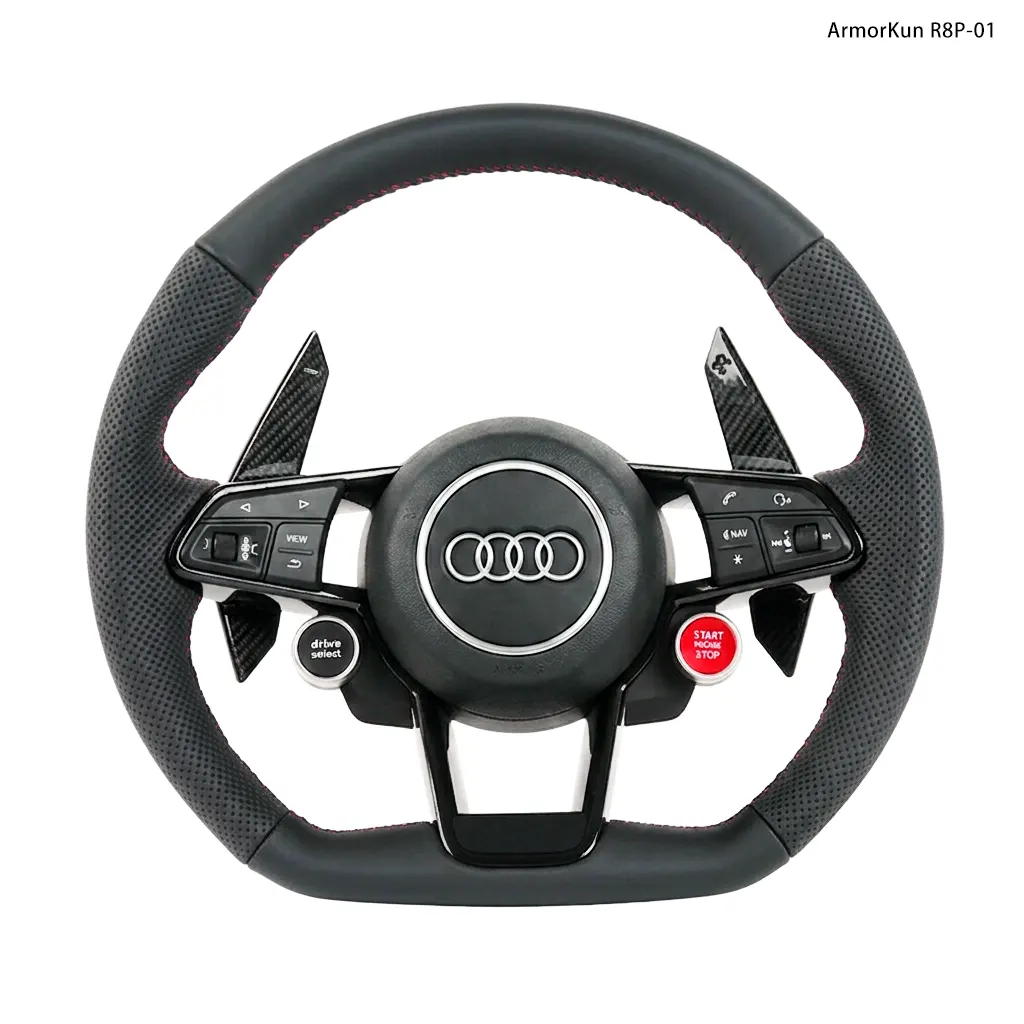
Current custom carbon fiber steering wheel trends dominating the modern luxury automotive segment involve the widespread integration of digital LED shift lights, integrated telemetry displays, open-top yoke geometries inspired by aerospace cockpits, and matte-finished forged composite materials that replace traditional 2×2 twills to deliver a distinctively high-tech, raw performance feel. Many upscale builds now mix these composite structures with bespoke stitching patterns and high-grip perforated leather.
Do your part for a Responsible Upgrade of Your Cockpit!
Avoid sacrificing safety of your vehicle for looks. When you’re ready to take a different approach to interior upgrades – one that maintains factory crash integrity and ratings while still offering high performance – reach out to our vetted automotive performance engineers today.
Leo Wu Industrial Design Manager 10+ Years in Automotive Steering Wheel Design Expertise: carbon fiber, Nappa leather, OEM development, performance steering wheels
Over 10 years of experience in steering wheel development, premium materials and OEM manufacturing, Leo Wu is an automotive interior expert. Strictly cooperates with ArmorKun production teams, applies performance and focuses on steering wheel design and construction, leather processing and high-level function integration, in luxury cars and sports vehicles.








 English
 German
 French
 Italian
 Dutch
Dutch Russian
 Polish
 Spanish
 Arabic
 Japanese
 Korean